
Bidding
Push button procurement on GeM: rules, eligibility and pricing
PBP lets buyers order up to ₹5 lakh in a few clicks. Here are the participation thresholds, the three-day window and the pricing discipline that decides who gets the order.

The TenderBuddy Brief
Rule changes, documentation traps and bid strategy — written for sellers, not for policy readers.
PBP lets buyers order up to ₹5 lakh in a few clicks. Here are the participation thresholds, the three-day window and the pricing discipline that decides who gets the order.
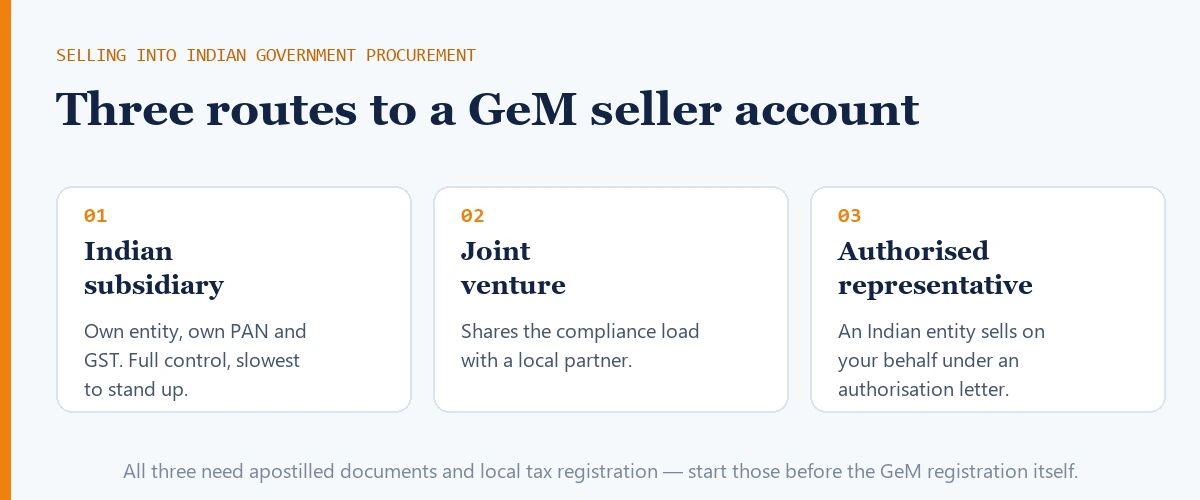
Subsidiary, joint venture or authorised representative — the three routes into Indian government procurement, what each demands, and the local content problem foreign OEMs must solve.

Bid status is not a single word. What technical evaluation, clarification pending and reverse auction each ask of you, and how to file a representation after disqualification.

An incident starts with a buyer complaint and can end with your account unable to take orders. How escalation works, how to respond with evidence, and why one open incident freezes everything.
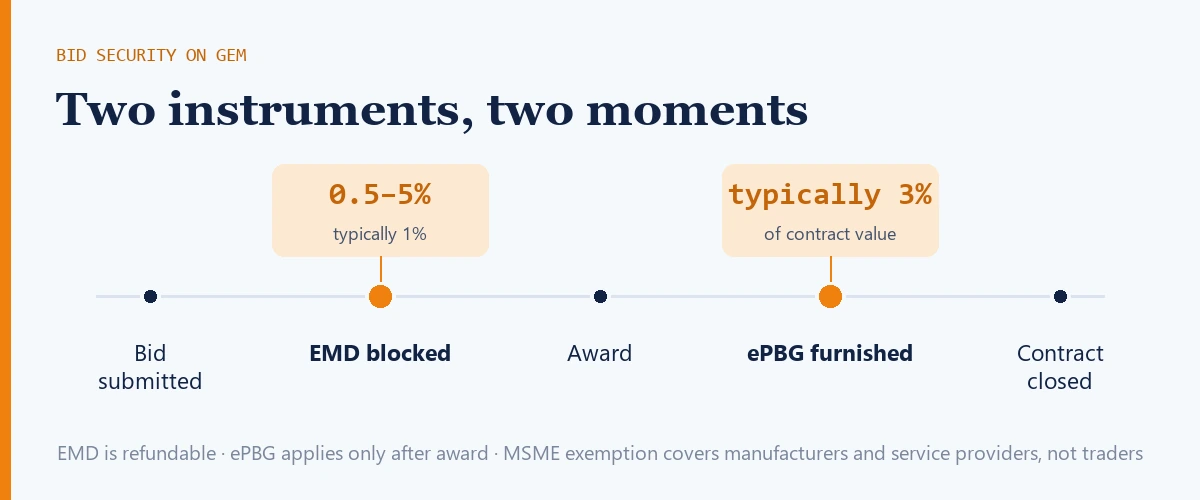
EMD is typically 1% at bid stage; ePBG is typically 3% after award. What each covers, who is exempt, and why the MSME exemption does not reach traders.
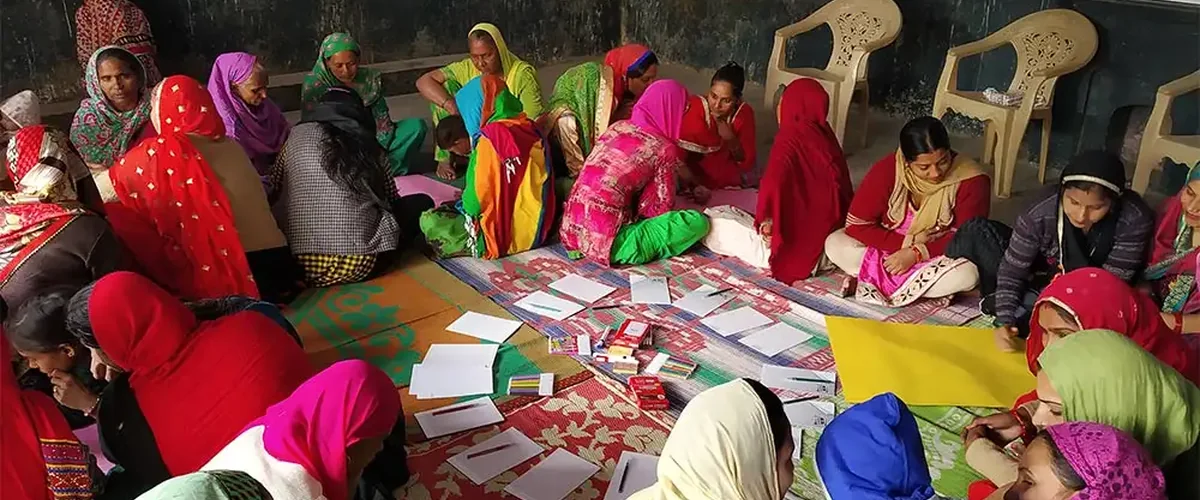
Vendor assessment moved from QCI to RITES in 2024. What the desktop and video stages check, what the certificate is worth, and why sellers fail on the first attempt.

Discovery on GeM runs on structured attributes, not marketing copy. How to map golden parameters, present specifications the way buyers filter, and keep listings alive.
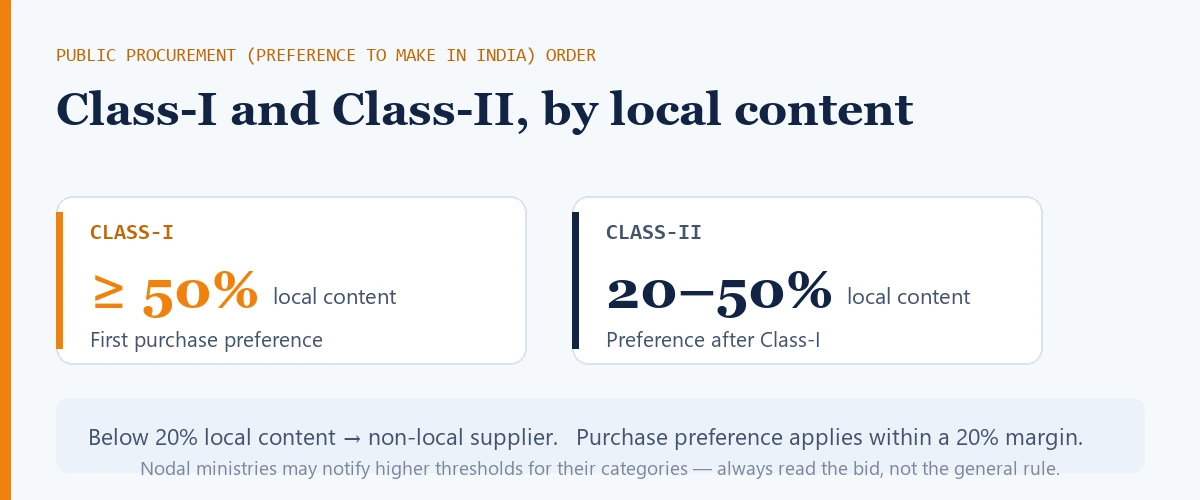
Class-I is 50% local content or more, Class-II is 20–50%, and purchase preference runs within a 20% margin. How to calculate your percentage and defend it.

Most failed GeM registrations are abandoned, not rejected. The documents to gather first, the PAN–GST–bank mismatch that blocks most accounts, and how to choose categories.